
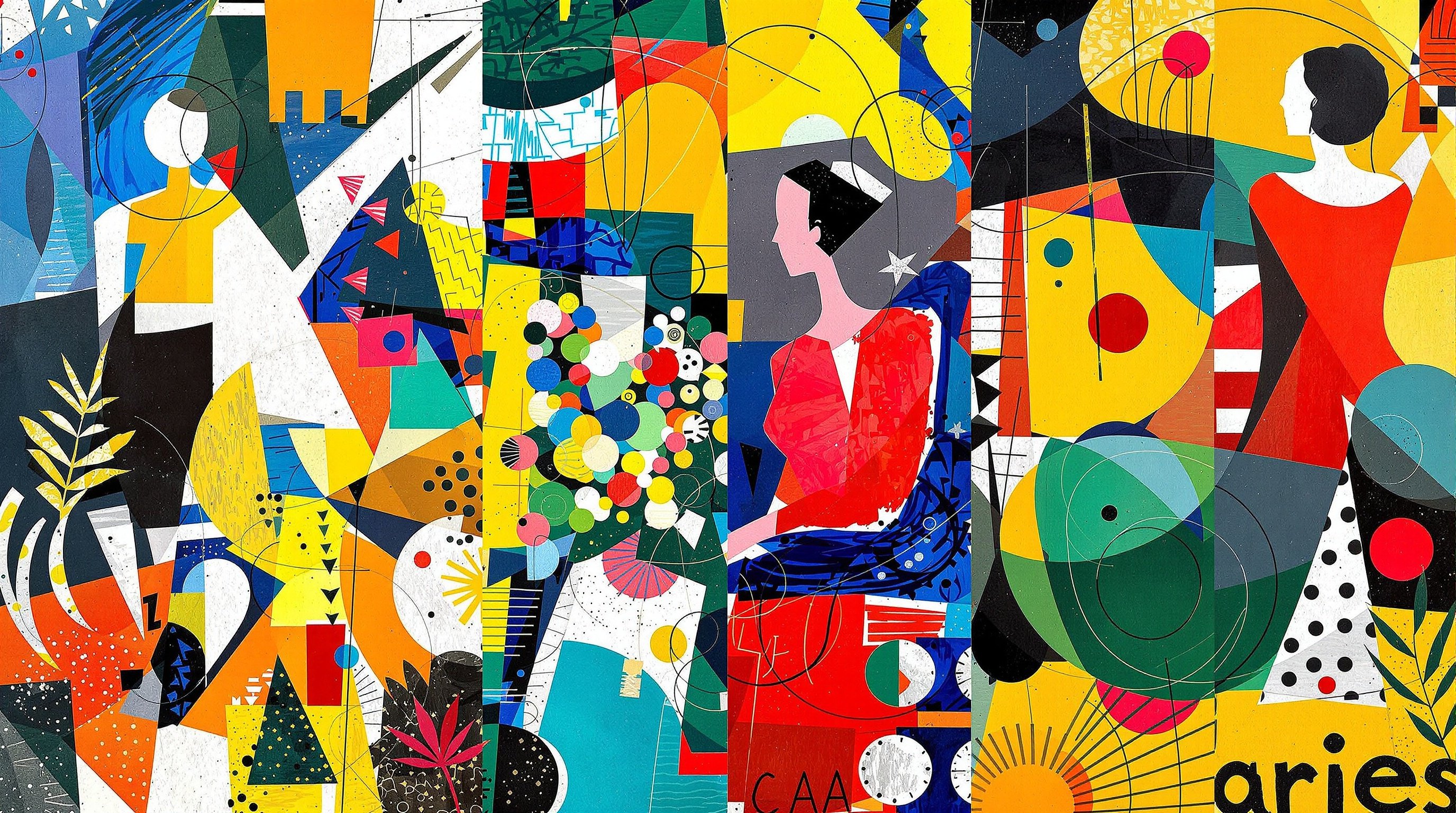
All About Art Styles
Art styles are often tied to specific periods in history, each reflecting the cultural, social, and technological contexts of their time.
The Renaissance (1400s-1600s)
A period of artistic rebirth that began in Italy, marking the transition from abstract medieval shapes to more realistic depictions. Famous artists include Leonardo da Vinci, Michelangelo, and Raphael.
Baroque & Rococo
Baroque art emphasized grandeur and drama with dramatic lighting, while Rococo offered a lighter, more elegant aesthetic with ornate decorations featuring natural shapes like flowers and shells.
Romanticism
A reaction against rationalism, Romantics believed nature was filled with mystery and awe. They sought to capture emotion and the sublime in their work.
Impressionism
Emerging in France in the mid-1800s, characterized by small, visible brushstrokes and unblended colors. Artists like Edgar Degas and Claude Monet captured the fleeting effects of natural light.
Cubism
Founded by Pablo Picasso and Georges Braque, Cubism presented subjects from multiple viewpoints simultaneously, fundamentally changing how we see the world.
Abstract Expressionism
Dominant in 1940s-50s New York, this movement emphasized spontaneous expression through color and form, without depicting specific subject matter.
Finding Your Style
There are endless art styles to draw inspiration from. Whether you prefer the drama of Baroque or the emotion of Expressionism, the key is finding what speaks to you.