
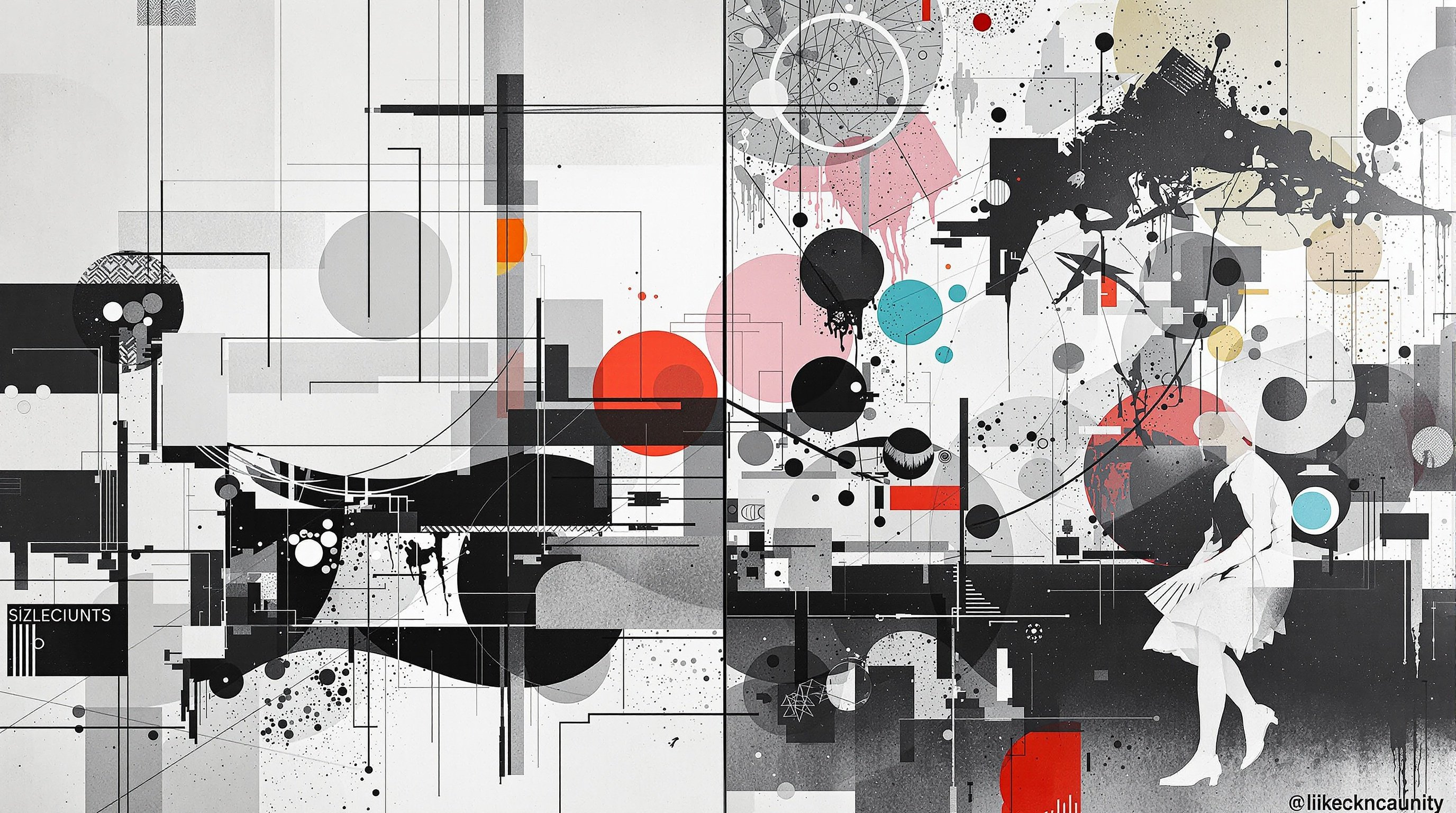
Modern vs. Contemporary Art
Many people use "modern" and "contemporary" interchangeably when discussing art, but they actually refer to two distinct periods and philosophies.
What is Modern Art?
Modern art emerged in the late 1800s and lasted until the mid-1900s. It was a rebellion against tradition—a call for freedom from formal rules and a desire to embrace creativity and new ideas. Modern artists, inspired by movements like Cubism, Dadaism, and Surrealism, pushed boundaries and experimented with new styles.
Characteristics of Modern Art
- Clean, simple aesthetic
- Straight lines and sharp angles
- Neutral colors
- Influenced by minimalist ideas
- Focus on form and function
Contemporary art encompasses work created after 1945 (the post-modern era). It can include work by living artists as well as pieces from the past that remain relevant today. Contemporary art often incorporates unconventional materials such as video and sound.
Key Contemporary Artists
Well-known contemporary artists include Damien Hirst, Ellsworth Kelly, and Jeff Koons, who continue to challenge our perceptions of what art can be.
The Bottom Line
Modern art has a timeless appeal with its clean lines and functional beauty. Contemporary art offers a way to connect with the world around us, reflecting current events, technology, and popular culture. Both have their place in making spaces more interesting and meaningful.